

Key Takeaways
- Ohio law gives creditors six years to sue on written contracts and open book accounts under Ohio Revised Code section 2305.07, while Ohio Revised Code section 2305.07 provides a four-year limitations period for actions on contracts not in writing, subject to statutory exceptions, and goods sales under UCC Article 2 generally carry a four-year window
- The FDCPA governs third-party collectors and debt buyers, not original creditors chasing their own invoices, though the Ohio Consumer Sales Practices Act can still reach some original creditors
- Building a strong case file means preserving every contract, invoice, and payment record before a dispute or lawsuit ever starts
- Small claims courts cap recoverable amounts well below what many commercial disputes involve, so knowing when to file a full civil suit instead matters
- Once a judgment is secured, wage garnishment follows a specific notice-and-waiting sequence that creditors need to plan around
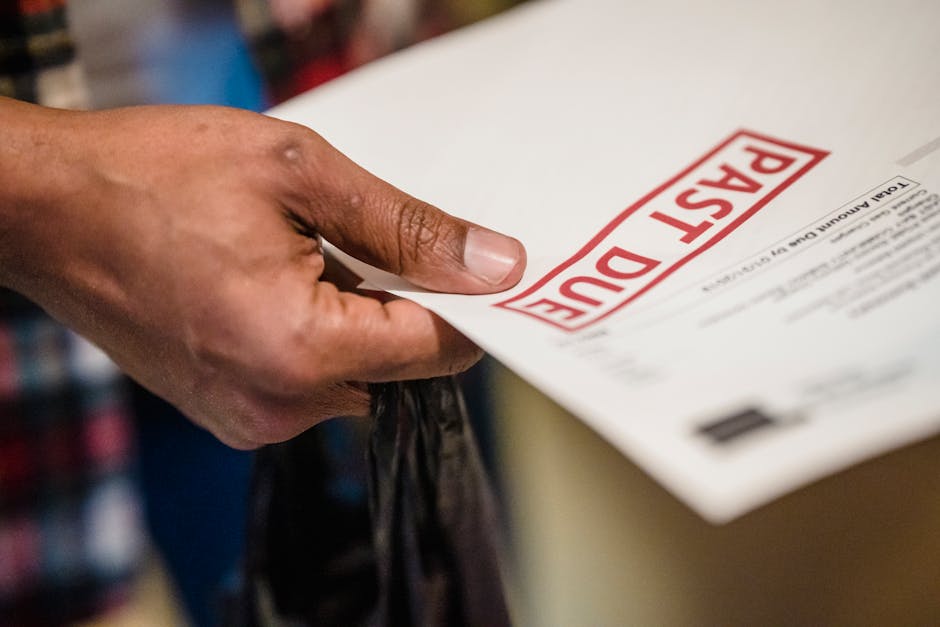
Unpaid invoices do not just hurt cash flow, they create a ticking clock. Ohio law sets firm deadlines for when a business can sue over a past-due account, and missing that window can mean losing the legal right to collect no matter how valid the debt is. Finance managers who understand their contract type, their documentation obligations, and the mechanics of Ohio’s court system are far better positioned to recover what their business is owed.
Ohio’s Six-Year Deadline To Sue
Ohio Revised Code § 2305.07 gives creditors six years to file a lawsuit on a written contract. That six-year window is the backbone of most B2B collection timelines in the state, since the majority of commercial agreements, invoices, and purchase orders are documented in writing. The clock generally starts running from the date of the last activity on the account, which is typically either the invoice due date or the date of the most recent payment.
As recent guidance from Southwest Recovery Services highlights, a partial payment can actually restart that clock, giving creditors a fresh six-year period from the date it was received. This matters for businesses managing aging receivables, since a customer who pays even a small amount on an old balance may unintentionally extend the time available to pursue the rest. Once the statute of limitations expires, the underlying debt does not disappear, but the creditor loses the ability to enforce it through the courts. A debt that still exists and a debt that can still be sued over are two different things, and the difference is one of the most important concepts for any finance manager to grasp before deciding how aggressively to chase a stale account.
Why Your Contract Type Sets The Clock
Not every receivable runs on the same timeline, and the type of agreement behind an unpaid invoice determines exactly how long a business has to act. Sorting accounts by contract type early in the collection process helps prioritize which overdue balances need attention first.
Written Contracts And Open Book Accounts: Six Years
Written contracts, open book accounts, account statements, and promissory notes all fall under Ohio’s six-year limitation period set out in Ohio Revised Code § 2305.07. Open book accounts, essentially running tabs of invoices and payments between businesses, are common in trade credit arrangements and benefit from this longer window. This works in favor of most B2B creditors, since the bulk of commercial relationships involve some form of written documentation, whether a signed service agreement, a credit application, or a standing purchase order.
Unwritten Agreements: Four Years, With Exceptions
Agreements that were never put in writing face a shorter runway. Ohio Revised Code § 2305.07 provides a four-year limitations period for actions on contracts not in writing, subject to statutory exceptions. Handshake deals and verbal purchase arrangements happen more often in smaller commercial transactions than many finance teams would like, and those relationships carry real legal risk if a dispute ever needs to go to court. Getting agreements in writing, even informally through email confirmations or signed delivery receipts, can meaningfully extend the time available to pursue collection later.
Goods Sales Under UCC Article 2: Four Years
Ohio has adopted the Uniform Commercial Code, and sales of goods between businesses generally fall under a four-year limitation period for bringing an action after the cause of action accrues. Businesses and their counterparties are permitted to shorten that period by agreement, down to as little as one year, which makes reviewing the fine print in supply and purchase contracts worthwhile. A separate three-year limitation period applies specifically to actions involving Ohio’s bank-deposit and collections chapter, a narrower category that most trade creditors will not encounter directly but should be aware exists.
Which Rules Apply To Original Creditors
Many Ohio businesses assume the same rules that protect consumers from aggressive collection tactics apply equally when a business is chasing its own commercial customers. That assumption is only partly true, and understanding where the lines are drawn helps creditors collect confidently without running into compliance trouble.
FDCPA Covers Third-Party Collectors, Not Creditors Collecting Their Own Debts
The federal Fair Debt Collection Practices Act prohibits deceptive, abusive, and unfair tactics, and it requires collectors to notify consumers of rights like the ability to dispute a debt. The FDCPA applies to third-party debt collectors, collection agencies, debt recovery attorneys, and debt buyers. It does not apply to original creditors collecting their own debts. The U.S. Supreme Court has also held that the FDCPA’s definition of debt is limited to obligations arising from personal, family, or household transactions, not commercial business debts, which narrows its relevance to B2B creditors even further. Many businesses choose to follow FDCPA-style professional standards anyway, since doing so protects reputation and reduces the chance of a dispute escalating unnecessarily.
Ohio Consumer Sales Practices Act’s Limited Reach Into B2B
The Ohio Consumer Sales Practices Act shares goals with the FDCPA, aiming to prevent abusive and deceptive collection conduct. Unlike the federal law, the OCSPA may extend to some original creditors collecting their own accounts, with exceptions carved out for certain financial institutions like banks. Its reach into purely commercial, business-to-business transactions is limited, since the law was built primarily around consumer transactions. Even so, Ohio businesses collecting their own receivables benefit from treating the OCSPA’s standards as a practical floor, since deceptive or misleading collection conduct can create other forms of legal exposure regardless of whether the strict statute applies.
Building A Collection-Ready Case File
A strong legal position starts long before a lawsuit is ever filed. The businesses that recover the most tend to be the ones that kept clean records from day one, rather than scrambling to reconstruct a payment history after a dispute has already escalated.
Preserving Contracts, Invoices, And Payment Records
Creditors preparing a collection case should preserve the original contract, every invoice issued, account statements, and any communications that support the claimed balance. This documentation does double duty: it establishes the amount owed, and it helps pinpoint exactly when the statute of limitations clock started running. A simple internal practice of archiving signed agreements, delivery confirmations, and payment correspondence in one organized file per customer account can save significant time and expense if a matter ever needs to move to litigation.
Notice And Dispute Timelines To Follow
When a debt collector makes initial contact, Ohio practice generally calls for a written notice within five days stating the debt amount, the creditor’s identity, and the recipient’s dispute rights. The recipient then typically has 30 days to dispute the debt by requesting verification, during which collection efforts on that specific point should pause until the debt is validated. These consumer-style notice rules may not strictly bind an original creditor collecting its own B2B account, but mirroring that structure, prompt written notice followed by a clear dispute window, creates a paper trail that holds up well if the matter later ends up in front of a judge.
From Lawsuit To Collecting Payment
When documentation and deadlines are in order, and a customer still will not pay, the path forward runs through Ohio’s court system. Knowing the mechanics in advance, rather than learning them mid-dispute, keeps the process moving and reduces costly missteps.
Small Claims Vs. Filing A Full Civil Suit
Ohio’s small claims courts handle disputes up to $6,000, according to the Ohio State Bar Association’s small-claims overview. Small claims court provides a faster, less formal, less expensive route, which makes sense for smaller invoice disputes. Claims above that threshold need to proceed through a full civil suit in municipal or common pleas court, which involves more formal pleading requirements, a longer timeline, and typically benefits from legal representation given the higher stakes involved.
Answer Deadlines And Service-Of-Process Timing
Once a complaint is filed, Ohio’s Civil Rules generally give a defendant 28 days after being served the summons and complaint to file an answer. Ohio’s Civil Rules also state that an action is considered commenced by filing a complaint if service is obtained within one year after filing, which gives plaintiffs some flexibility if a defendant is difficult to locate or serve right away. Tracking these deadlines closely matters, since missing a procedural step can delay a case or create an opening for the opposing side to challenge it.
Garnishing Wages After A Judgment
Winning a judgment is a milestone, not the finish line. Collection can begin once the judgment is entered, and the process for enforcing it varies somewhat by county. In the Franklin County Municipal Court’s described wage-garnishment process, a creditor mails a 15-day demand and then waits at least 15 days but no more than 45 days before filing the garnishment paperwork, which carries a filing fee of $85.00 per employer in that jurisdiction. Other courts, such as the Bowling Green Municipal Court, instruct judgment creditors to initiate garnishment proceedings, supply the required account information, and monitor the garnishment’s status directly with the court. Because procedures differ by county, confirming the specific local requirements before filing saves time and avoids rejected paperwork.
Acting Before The Clock Runs Out Protects Your Recovery
Every stage of Ohio’s collection process, from identifying contract type to filing suit to enforcing a judgment, rewards creditors who move early and keep records tight. Waiting too long to pursue a stale invoice risks losing the legal right to collect at all, in addition to the customer relationship, once the applicable statute of limitations expires. Ohio businesses managing overdue commercial accounts benefit most from treating the statute of limitations as a planning tool rather than an afterthought, building documentation habits now that will hold up later, and understanding which court and which procedure fits the size of the claim. For businesses ready to formalize that approach, reviewing Ohio debt collection laws in more detail is a practical next step before a receivable gets any older.
Southwest Recovery Services
info@swrecovery.com
+1-866-551-4684
16200 Addison Road Suite 260
Addison
Texas
75001
United States