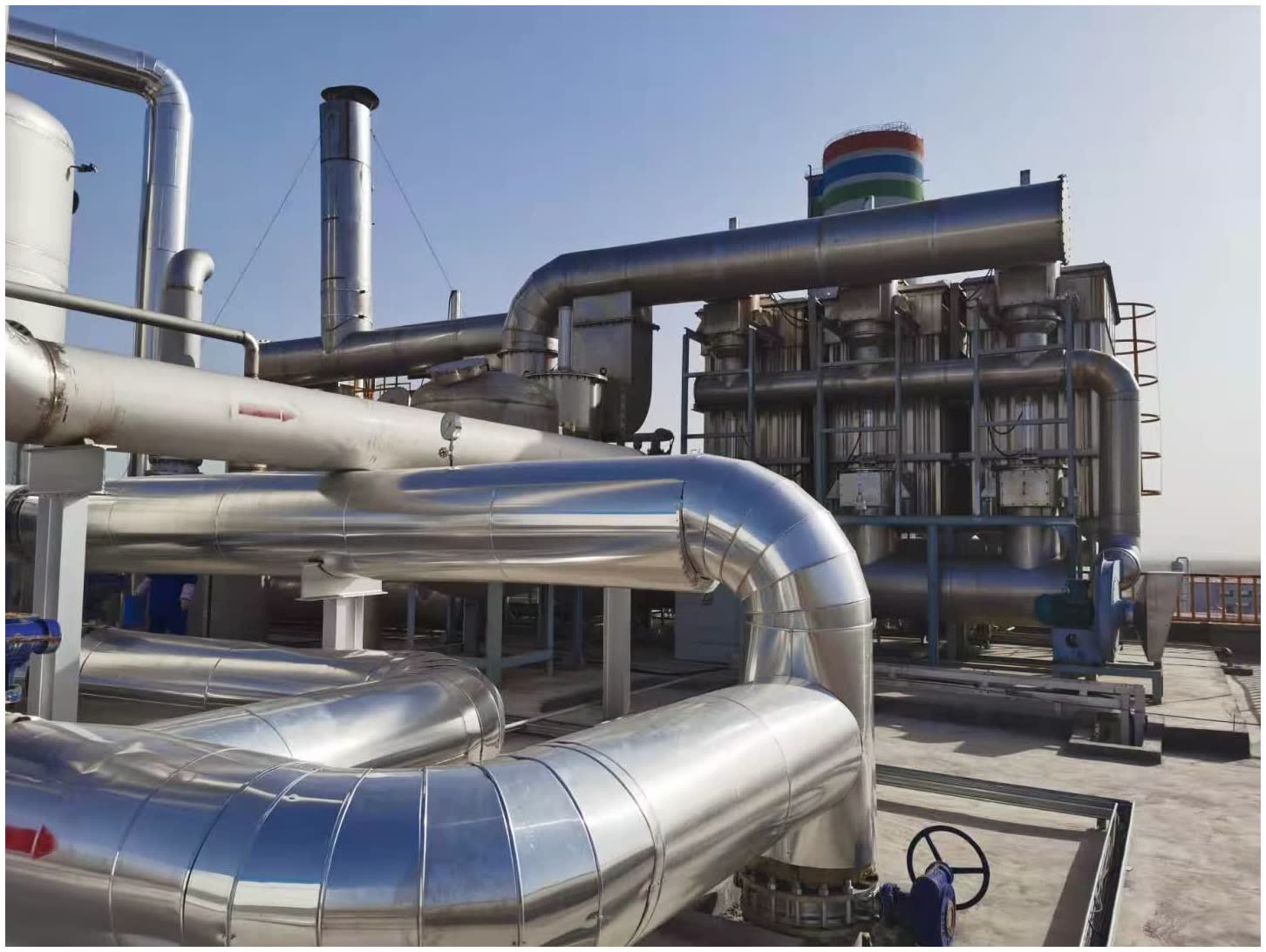

CHANGSHU, JIANGSU, CHINA, October 26, 2026 /EINPresswire.com/ — Industrial chemical manufacturing directors evaluate a Hydrogen Peroxide Production Plant by balancing chemical reaction yields, safety interlock reliability, and commercial grade upgrading economics. Selecting between fixed-bed and fluidized-bed anthraquinone catalytic routes dictates working solution lifetimes and continuous production margins. Single-point turnkey contracting coordinates high-purity chemical equipment fabrication, explosion-proof instrumentation, and plant commissioning into an integrated operational facility.
Hydrogen peroxide represents a versatile green oxidant essential across pulp and paper bleaching, textile processing, chemical synthesis, semiconductor manufacturing, and environmental water treatment. Because its only decomposition byproduct is pure water and oxygen, commercial demand continues to expand across environmentally conscious manufacturing regions.
Anthraquinone Hydrogenation and Oxidation Reaction Mechanics
Commercial hydrogen peroxide synthesis relies on the auto-oxidation of alkyl anthraquinones dissolved in specialized multi-component working solutions. Maintaining solvent balance and catalyst activity guarantees high selectivity and prevents irreversible degradation into inactive quinone byproducts.
Working Solution Composition: Combines 2-ethylanthraquinone carriers dissolved in a dual-solvent blend of polar aromatic hydrocarbons and non-polar trioctyl phosphate to maximize solvent capacity for both quinone and hydroquinone forms.
Catalytic Hydrogenation Reactor: Working solution reacts with hydrogen gas at 50°C to 70°C over palladium catalysts supported on alumina carriers, selectively converting quinones into active hydroquinones.
Air Oxidation Column: Hydrogenated solution contacts filtered atmospheric air in multi-stage counter-current oxidation towers, oxidizing hydroquinones back to quinones while generating hydrogen peroxide in solution.
Fluidized-bed hydrogenation reactors deliver superior mass transfer rates and continuous catalyst regeneration compared to older tubular designs. Operating under gentle fluidization prevents mechanical catalyst attrition, maintaining high selectivity while minimizing expensive palladium losses. Automatic gas-phase oxygen analyzers monitor oxidation tower off-gas streams continuously to verify that oxygen concentrations remain strictly outside flammable explosive ranges. Integrated nitrogen inerting systems purge vapor spaces immediately whenever abnormal operating trends are detected.
Hydrogenated solution exiting the catalytic reactor passes through dual automated sintered metal candle filter banks operating in parallel. Sintered porous titanium or stainless steel elements capture fine catalyst fines down to 0.5 micrometers, preventing precious palladium loss and eliminating metallic contamination in downstream oxidation towers.
Liquid-Liquid Counter-Current Extraction and Acid Stabilization Engineering
Extracting generated hydrogen peroxide from organic working solutions into aqueous phases requires specialized liquid-liquid extraction columns. Maximizing extraction efficiency preserves working solution stability and prevents dangerous peroxide accumulation in organic recycling loops.
Sieve-Tray Extraction Columns: Perforated plate extraction towers contact dense organic solutions counter-currently with demineralized water, recovering crude aqueous hydrogen peroxide at twenty-seven to thirty-five percent concentration.
Organic Coalescing and Separation: Extracted working solution passes through high-efficiency coalescing filters to remove entrained aqueous droplets before entering working solution drying and regeneration beds.
Activated Alumina Regeneration: Portions of recycled working solution circulate through heated activated alumina beds, reverting inactive degradation products back into active anthraquinones.
Aqueous crude peroxide solutions receive micro-doses of food-grade phosphoric acid, sodium pyrophosphate, and specialized amino-phosphonic chelating stabilizers. Stabilizer dosing passivates trace catalytic heavy metal ions, such as iron, copper, and chromium, preventing premature peroxide decomposition during storage. Working solution drying columns utilize vacuum dehydration to strip dissolved water, maintaining working solution moisture contents below target saturation thresholds. Preserving low water contents prevents water droplet condensation in upstream hydrogenation reactors, protecting active palladium catalyst sites from moisture deactivation.
Vacuum Distillation Systems for Commercial Grade Upgrading
Crude aqueous solutions must be thermally concentrated and purified to satisfy high-concentration industrial and semiconductor market specifications. Because concentrated hydrogen peroxide decomposes exothermically under excessive thermal stress, distillation requires specialized low-temperature vacuum equipment.
Deep Vacuum Distillation Columns: Packed rectification towers operate under deep vacuum below one hundred millibars absolute pressure, maintaining bottom liquid temperatures safely below 65°C.
Falling Film Thermosiphon Reboilers: High-purity aluminum or 316L stainless steel reboilers utilize low-pressure clean steam to evaporate water and organic traces with minimal thermal contact time.
Concentration Upgrading to Fifty and Seventy Percent: Rectification concentrates technical peroxide up to fifty, sixty, or seventy percent commercial strength for high-demand chemical synthesis and rocket propellant applications.
Distillation columns incorporate structured packing fabricated from pickled and passivated austenitic stainless steel alloys exhibiting low catalytic decomposition rates. Multiple emergency dump tanks filled with cold demineralized water stand ready to flood the reboiler loop automatically if runaway temperature rise is detected. Vapor scrubbing condensers recover evaporated organic solvent traces from column overhead vents, returning condensed solvents to the plant working solution tank farm. This closed-loop recovery design minimizes atmospheric organic emissions while cutting raw material replacement operating expenses.
Dedicated high-purity product degassing vessels strip trace dissolved volatile organic carbons using counter-current filtered clean air. Purified peroxide streams pass through final zero-leakage fluoropolymer cartridge filters before transferring into passivated aluminum storage tanks.
EPC Turnkey Governance and Multi-Tier Quality Control Integration
Delivering a full-scope hydrogen peroxide chemical facility demands unified engineering governance across process chemistry, high-purity metallurgy, and hazardous area electrical installations. Engaging an established engineering partner such as Suzhou CMT provides plant owners with single-source execution adhering to international ASME Section VIII, CE PED pressure equipment directives, and ISO 9001 standards. Coordinated multi-base production facilities manufacture hydrogenation reactors, oxidation towers, and distillation columns under strict chemical passivation protocols. Comprehensive factory acceptance testing confirms hydraulic integrity, internal surface passivation levels, and emergency dump valve stroke response times before equipment is packaged for transport.
Specialized field crews manage hazardous equipment positioning, high-nickel alloy piping welding, and intrinsically safe instrumentation wiring. Providing full material traceability certifications, radiography reports, and chemical pickling pass records ensures swift regulatory operating approvals from regional environmental authorities.
Systematic Commissioning, Safety Interlocks, and Operational Ramp-Up
A rigorous commissioning protocol prevents hazardous chemical runaways and verifies automated safety shutdowns before introducing flammable solvents and hydrogen. Structured trial phases guide plant systems from water cleaning to commercial capacity ramp-up.
Chemical De-Greasing and Acid Passivation: All stainless steel and aluminum fluid circuits undergo sequential alkaline washing, nitric acid passivation, and demineralized water flushing to eliminate catalytic metallic particles.
Solvent Circulation and Nitrogen Dry Runs: Piping networks circulate inert carrier solvent under nitrogen pressure to verify mechanical seal integrity, pump head curves, and automated ESD interlocks.
Performance Guarantee Testing: Continuous seventy-two-hour commercial production runs verify daily tonnage yield, specific hydrogen and oxygen consumption metrics, and finished product stability ratings.
Structured classroom instruction and hands-on control room simulator training prepare local plant operators for emergency shutdown procedures, routine filter maintenance, and process upset recovery. Operating manuals outline standard chemical dosing rates, solvent regeneration intervals, and safety maintenance procedures for all critical rotating assets.
Chemical manufacturing directors and process procurement committees can evaluate turnkey hydrogen peroxide plant specifications directly at https://www.cmtproject.com/ to review engineering designs.
Suzhou CMT Engineering Co., Ltd.
Suzhou CMT Engineering Co., Ltd.
Legal Disclaimer:
EIN Presswire provides this news content “as is” without warranty of any kind. We do not accept any responsibility or liability
for the accuracy, content, images, videos, licenses, completeness, legality, or reliability of the information contained in this
article. If you have any complaints or copyright issues related to this article, kindly contact the author above.

Media gallery