
Key Takeaways:
- Hormonal changes during menopause can increase scalp oil production due to declining estrogen and increased androgen activity
- Strategic washing schedules and sulfate-free shampoos help regulate sebum without over-stripping natural oils
- Key ingredients like tea tree oil, salicylic acid, and zinc salts effectively control oily scalp conditions
- Protein-rich diets with omega-3s and B vitamins support hormone balance and healthier hair production
- Oil production typically stabilizes once hormonal fluctuations settle into their new post-menopausal patterns
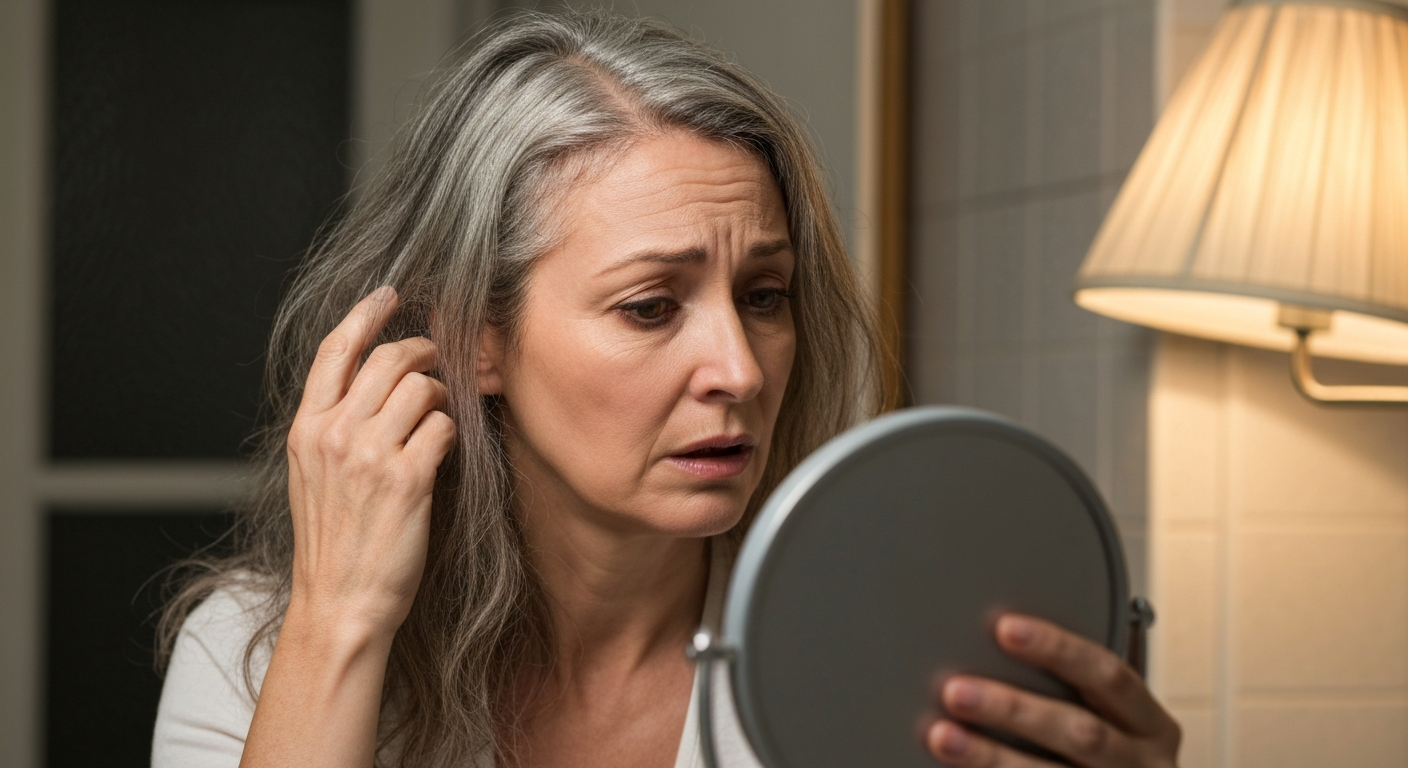
Menopause brings many changes, and for some women, unexpectedly greasy hair becomes a frustrating new reality. This shift from normal or dry hair to oily locks often catches women off guard, leaving them searching for effective solutions to manage their transformed tresses.
How Hormonal Shifts Create Oilier Hair
The culprit behind post-menopausal greasy hair lies in the dramatic hormonal reorganization happening within the body. As estrogen levels plummet during menopause, this hormone’s natural oil-regulating properties diminish significantly. Estrogen typically helps keep sebaceous glands in check, preventing excessive oil production on the scalp.
Meanwhile, androgens become more dominant in this new hormonal landscape. These male hormones, always present in women’s bodies but previously balanced by higher estrogen levels, now stimulate sebaceous glands to produce increased amounts of sebum. The result is hair that feels greasier than ever before, often appearing flat and lifeless by the end of the day.
Adding to this challenge, menopausal hair often becomes thinner and finer. With fewer hair strands to absorb the sebum being produced, the oil becomes more concentrated and noticeable. Understanding these hormonal mechanisms helps women develop targeted strategies for managing their changing hair needs.
Smart Washing Strategies That Work
While over-washing with harsh shampoos can strip the scalp of natural oils and lead to irritation, potentially prompting the scalp to try and compensate, dermatologists note that sebum production is primarily regulated by hormonal signals and genetics, rather than directly by washing frequency. The key is finding a washing schedule that maintains cleanliness without disrupting the scalp’s natural balance.
1. Extend Time Between Washes
Gradually increasing the time between wash days allows the scalp to recalibrate its oil production. Start by adding one extra day between washes, then slowly extend further as the scalp adjusts. Many women find that washing every other day or even every third day produces better results than daily washing.
2. Choose the Right Shampoo
Sulfate-free formulas work best for managing menopausal hair changes. Look for clarifying or volumizing shampoos specifically designed for oily or mature hair. These products clean effectively without harsh detergents that can trigger excessive oil rebound.
3. Rinse Thoroughly with Lukewarm Water
Product buildup contributes significantly to greasy-looking hair. Spend extra time rinsing with lukewarm water to ensure all shampoo and conditioner residue is completely removed. Hot water can actually stimulate more oil production, while cold water doesn’t clean as effectively.
Key Ingredients for Oily Scalp Control
Several powerhouse ingredients specifically target excess oil production and promote scalp health. Tea tree oil provides natural antimicrobial properties while helping regulate sebum production. Its cooling sensation also soothes irritated scalps that may accompany hormonal changes.
Apple cider vinegar works as a natural clarifying agent, removing buildup while balancing scalp pH levels. Salicylic acid gently exfoliates the scalp, preventing clogged follicles that can worsen oil accumulation. Charcoal and clay ingredients absorb excess oils without over-drying, making them ideal for weekly deep-cleaning treatments.
Niacinamide (Vitamin B3) helps regulate sebaceous gland activity, while zinc salts provide antimicrobial benefits and help control inflammation. Capryloyl glycine offers gentle cleansing with oil-regulating properties, making it particularly suitable for sensitive menopausal scalps.
Diet Changes That Reduce Oil Production
Nutritional choices significantly impact hormone balance and scalp health during menopause. A well-planned diet can help stabilize the hormonal fluctuations that contribute to increased oil production, while supporting overall hair health from the inside out.
1. Focus on Protein and Omega-3s
Lean proteins provide the building blocks for healthy hair structure and help maintain stable blood sugar levels, which can influence hormone production. Incorporate fish, poultry, legumes, and plant-based proteins into daily meals.
Omega-3 fatty acids found in salmon, sardines, flaxseeds, and walnuts help reduce inflammation and support hormone synthesis. These healthy fats also contribute to scalp health and may help regulate sebaceous gland activity.
2. Add B Vitamins and Zinc
B vitamins, particularly biotin and niacin, support healthy hair growth and may help balance hormone-related scalp changes. Look for these nutrients in whole grains, leafy greens, and eggs.
Zinc plays a crucial role in hormone regulation and scalp health. Incorporate zinc-rich foods like pumpkin seeds, oysters, and lean meats to support optimal sebaceous gland function.
Foods That Make Greasy Hair Worse
Certain dietary choices can exacerbate hormonal imbalances and worsen oily hair conditions. High-glycemic foods like white bread, sugary snacks, and processed cereals cause blood sugar spikes that can trigger increased oil production.
Processed foods loaded with trans fats and excessive saturated fats can worsen inflammation and disrupt hormone balance. Excessive sugar consumption not only affects blood sugar stability but can also contribute to increased androgen activity.
Too much caffeine or alcohol can stress the body’s hormone-regulating systems, potentially worsening menopausal symptoms including scalp oiliness. Moderation is key—complete elimination isn’t necessary, but reducing intake often produces noticeable improvements in hair condition.
HRT Effects Vary for Hair Oil
Hormone Replacement Therapy presents a complex picture regarding scalp oiliness. Some women find that properly balanced HRT—particularly formulations that include both estrogen and progesterone—can help reduce excessive oil production by restoring some hormonal equilibrium.
However, HRT containing higher levels of testosterone or testosterone-like compounds may actually increase scalp oiliness in some women. The key lies in working with healthcare providers to find the right hormonal balance that addresses menopausal symptoms without exacerbating hair concerns.
Individual responses to HRT vary significantly, and what works for one woman may not work for another. Regular monitoring and adjustments often prove necessary to achieve optimal results for both overall health and hair condition.
Oil Production Stabilizes After Hormones Settle
The good news is that excessive oil production typically isn’t a permanent condition. As the body adjusts to its new post-menopausal hormonal state—usually within two to three years after the final menstrual period—sebaceous gland activity often stabilizes.
During this adjustment period, consistent hair care routines and dietary support can significantly impact how quickly and successfully the scalp adapts. Many women find that their hair eventually reaches a new normal that’s more manageable than the initial post-menopausal period.
The key is patience combined with proactive management. While hormones settle, maintaining healthy hair practices prevents damage and supports the scalp’s natural adaptation process. Women who implement thorough care strategies often find their hair becomes less oily and healthier overall than it was during the tumultuous early stages of menopause.
Trybello LLC
40 SW 13th St
Ste 902
Miami
Florida
33130
United States
