

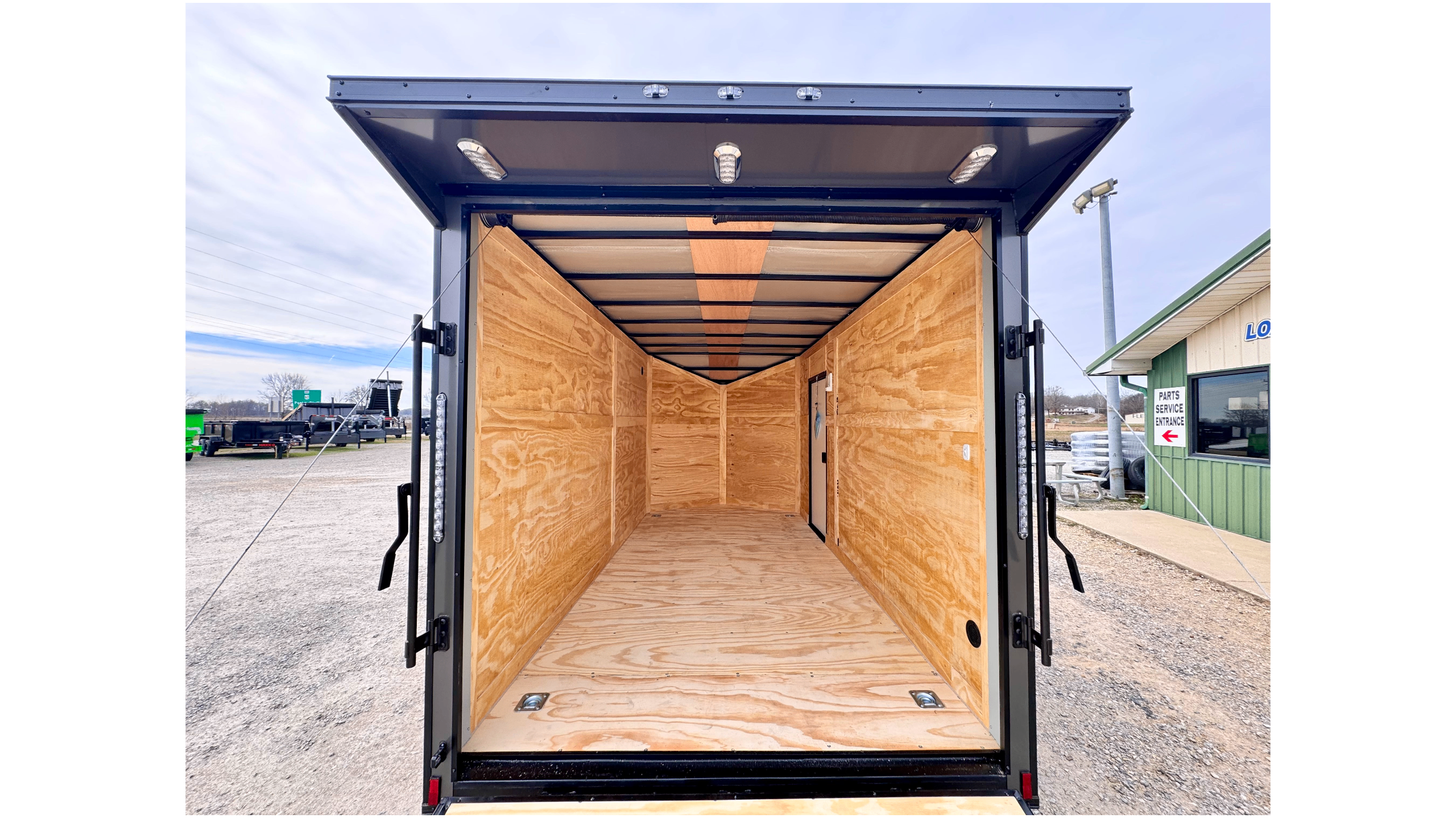
Key Takeaways
- Matching a Polaris Ranger to an enclosed trailer starts with measuring the exact model’s length, width, and height against the trailer’s usable interior and ramp opening
- A standard Ranger XP 1000 fits a 7-by-14-foot trailer, while a Ranger Crew XP 1000 needs extra length and width for comfortable loading
- Payload math matters just as much as size: add the Ranger’s weight, gear, and tongue load, then compare the total against the trailer’s rated capacity
- According to Poplar Bluff Trailer, three enclosed trailers worth comparing range from a 9,990-pound GVWR steel model down to lighter aluminum and steel options near 7,000 pounds GVWR – find the full breakdown below
Buying an enclosed trailer for a Polaris Ranger looks simple until the tape measure comes out. Getting the right fit means looking past the trailer’s advertised size and checking real numbers against the Ranger’s actual dimensions and weight.
Measure Your Ranger Before You Shop
Before browsing a single trailer listing, grab the Ranger’s owner’s manual or spec sheet and write down three numbers: overall length, width, and height. A 2026 Ranger XP 1000 measures roughly 120 inches long, 62.5 inches wide, and 77 inches high, while the larger Ranger Crew XP 1000 stretches to about 152 inches long and can reach close to 79.5 inches tall depending on trim and installed accessories. Those few inches matter enormously once the machine is rolling up a ramp into a boxed-in space.
Roof racks, light bars, winches, and cab enclosures all add height and sometimes width, so the measurement needs to reflect the Ranger as it actually sits in the driveway, not the base factory spec. Comparing how Ranger size and trailer specs line up across several popular models gives a useful starting point before setting foot on a lot.
Writing these numbers down ahead of time also saves a wasted trip. A trailer that looks roomy in photos can still be a tight squeeze once wheel boxes, interior bracing, and tie-down hardware eat into usable space.
Why Ranger Size Determines Trailer Fit
Trailer shopping gets a lot easier once it’s clear that a UTV trailer comes in more than one standard size. Ranger models vary enough in length and width that the same trailer can feel roomy for one owner and cramped for another.
Standard XP 1000 vs. Ranger Crew Clearance
A standard two-seat Ranger XP 1000, at around 120 inches long and 62.5 inches wide, generally fits a 7-by-14-foot enclosed trailer with workable clearance on all sides. The Ranger Crew XP 1000 adds a second row of seats and grows to roughly 152 inches long, which eats up floor space fast. Owners of Crew models typically get more comfortable loading and tie-down room in a trailer that’s at least 8.5 feet wide and 16 feet long, since the extra length and width leave room to walk around the machine and secure straps without squeezing past the fenders.
Checking Ramp Opening and Interior Height
Interior height and ramp opening size deserve just as much attention as floor length. Rear door openings on enclosed trailers are typically narrower and shorter than the interior itself, commonly running 4 to 5.5 feet wide and 5 to 6.5 feet tall, with interior height reaching roughly 7 feet in the taller trims. Since taller Ranger models with cab enclosures or light bars can approach 79.5 inches high, confirming the ramp opening height, not just the trailer’s interior ceiling, prevents an unpleasant surprise on delivery day. Leaving about two feet of extra floor length past the Ranger itself makes it much easier to reach around the machine and tighten every tie-down point.
Payload Math: Ranger, Gear and Tongue Weight
Size solves half the puzzle. Weight solves the other half, and it’s just as easy to get wrong.
A Ranger XP 1000’s dry weight can run from around 1,487 pounds on a standard model up to 1,852 pounds on a Cab model, and that number climbs further once a winch, roof, doors, or other accessories are added. A Ranger XP 1000 owner’s manual lists a dry weight of 1,565 pounds and a maximum weight capacity of 1,500 pounds, a reminder that the specific trim’s own manual is the figure to trust rather than a general estimate. Add the weight of the operator, any passengers, tools, coolers, and other hauled gear, and the total can climb quickly toward that maximum capacity. Tongue weight from the trailer itself also presses down on the tow vehicle’s hitch, so that figure belongs in the math too, not just the Ranger’s own cargo rating.
The safest approach is to add up every component separately:
- Dry weight of the Ranger, confirmed against its specific trim’s owner’s manual
- Weight of the operator and any passengers riding along for loading or testing
- Weight of tools, coolers, winches, and any other gear riding inside or strapped to the Ranger
- Trailer tongue weight pressing on the tow vehicle’s hitch
Comparing that combined total against the trailer’s GVWR and payload rating, not just its empty weight, shows whether there’s enough margin left for a safe haul.
Why Overloading Hurts Handling and Braking
Overloading a Ranger or its trailer does more than risk a mechanical problem. Carrying too much weight, or loading it unevenly, can affect handling and braking stability, which means slower reaction time and longer stopping distances on the road. Loading cargo as far forward and as low as possible, and securing every item before towing, keeps the load stable and predictable. Drivers hauling a loaded trailer should also plan on reduced speeds and extra following distance, since a fully loaded rig simply doesn’t stop or turn like an empty one.
Three Enclosed Trailers Worth Comparing
With size and payload math settled, three enclosed trailers stand out for Ranger owners shopping by size, price, and build quality.
8.5′ x 16′ Tandem Axle Steel Trailer
This D&A-built trailer offers 8.5 feet of width and 16 feet of length with a 7-foot interior height, giving a Ranger Crew XP 1000 plenty of room to load and tie down without feeling boxed in. It carries a 9,990-pound GVWR with approximately 7,190 pounds of payload capacity, making it the heaviest-duty option of the three for owners hauling a Crew model plus a trailer full of gear. A rear ramp door and side entry door round out the loading setup.
7′ x 14′ Tandem Axle Steel Trailer
Built by Anvil, this trailer measures 7 feet wide and 14 feet long with a 7-foot interior height, sized well for a standard two-seat Ranger XP 1000. It carries a 7,000-pound GVWR and about 4,780 pounds of payload, a solid middle-ground rating for occasional hauling of the Ranger along with basic gear. A rear ramp door and floor-mounted tie-down points keep loading straightforward.
8.5′ x 16′ All-Aluminum Trailer
This Arising-built trailer matches the 8.5-by-16-foot footprint and 7-foot interior height of the D&A steel model but swaps steel for an all-aluminum frame and skin. It carries a 7,000-pound GVWR, with payload figures around 4,160 pounds in current listings, though exact payload should be confirmed before purchase since aluminum construction tends to shave weight off the trailer itself. A rear ramp door plus a side entry door give two ways in and out without opening the full ramp.
Steel or Aluminum: Weighing the Trade-Offs
Steel and aluminum each bring a different set of trade-offs to the driveway. Steel trailers, like the D&A and Anvil models above, tend to run heavier on their own, which adds strength and often comes with a lower price tag, but that extra weight is weight the tow vehicle has to pull everywhere the trailer goes. Aluminum trailers, like the Arising model, shed pounds off the trailer’s own frame and skin, which can ease strain on the tow vehicle, improve fuel economy, and leave more of the overall GVWR available for the Ranger and its gear rather than the trailer structure itself.
Rust resistance is another point in aluminum’s favor for owners who tow through wet winters or humid summers, while steel trailers may need more attention to the frame and finish over time to avoid corrosion.
What These Trailers Cost Right Now
Pricing on all three trailers currently lines up with their size and build:
- The 7-by-14-foot Anvil steel trailer is priced at $7,488
- The 8.5-by-16-foot Arising aluminum trailer is priced at $7,988
- The 8.5-by-16-foot D&A steel trailer is priced at $9,998
These figures reflect current pricing and may change, so confirming the latest numbers before finalizing a purchase is worth the extra step.
The Right Fit Depends on Your Ranger and Load
No single trailer on this list is the universal right answer. A standard Ranger XP 1000 owner hauling light gear on weekend trips may do perfectly well with the 7-by-14-foot Anvil trailer and its lower price tag, while a Ranger Crew XP 1000 owner loading up for longer trips or heavier cargo gets more breathing room and payload margin from the 8.5-by-16-foot D&A or Arising trailers. The deciding factors always come back to the same three checks: does the Ranger’s exact length, width, and height clear the trailer’s interior and ramp opening, does the combined weight of the Ranger and gear stay within the trailer’s payload rating, and does the trailer’s build, steel or aluminum, match how it will be towed and loaded.
Running through those checks before buying turns trailer shopping into a straightforward process of matching numbers to numbers. For a side-by-side look at current options sized for Ranger owners, Poplar Bluff Trailer has more resources highlighting enclosed trailers built for UTV hauling as a practical next step toward finding the right match.
Poplar Bluff Trailer
greg@poplarblufftrailer.com
+1 573 686 7273
135 Hwy T Suite B
Poplar Bluff
Missouri
63901
United States
