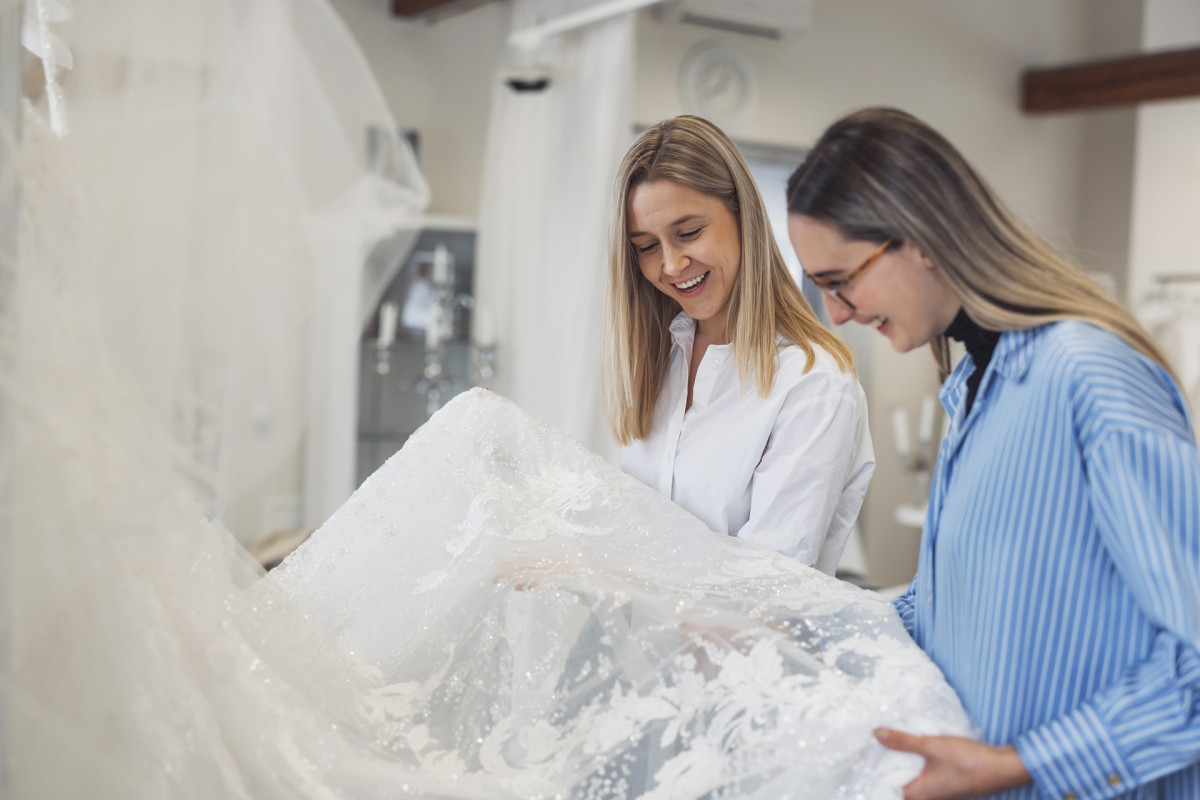
Wedding Dress Stain Removal: Why It Takes a Specialist to Do It Right
Many people assume stains are simple to fix—after all, everyday clothing often responds well to quick DIY treatments. However, according to the wedding gown specialists at Best Cleaners & New Brand Cleaners, this assumption does not apply to bridal attire. Wedding dresses are constructed from highly sensitive materials that react unpredictably to moisture, friction, and cleaning agents. A single misstep, even something as minor as dabbing a spot, can cause unintended and sometimes permanent damage.
Industry experts emphasize that professional cleaners approach wedding dresses with an entirely different mindset than standard garments. They evaluate the fabric, stitching, embellishments, and stain types before any cleaning begins. This meticulous level of assessment, they note, is essential when a garment is as irreplaceable as a wedding dress.

Why Wedding Dress Fabrics React Differently to Stains
Wedding gown specialists explain that bridal fabrics behave very differently from the cottons and polyesters people wear daily. Fabrics such as silk, chiffon, organza, and lace expand, contract, and absorb liquids at varying rates, creating unpredictable reactions when stains occur.
1. Luxury Fibers Are Extremely Absorbent
Silk absorbs oils almost instantly, making makeup, lotion, deodorant, and even natural body heat capable of leaving behind residues that darken over time. Chiffon and tulle absorb water inconsistently, leading to water rings or patchy discoloration. Lace, with its open structure, traps debris deep within its threads. These characteristics, specialists say, make stain removal an exceptionally delicate process.
2. Bridal Fabrics Respond Poorly to Moisture
A small amount of water on a silk bodice can leave a permanent ring. Even gentle blotting can distort texture or alter coloration. Unlike everyday fabrics that bounce back after washing, bridal materials may not recover once stressed.
3. Multi-Layer Construction Complicates Removal
Wedding dresses contain multiple layers—outer fabric, lining, tulle, and internal structural elements. A stain that appears small on the surface may have traveled through several layers, trapping oils or sugars that later resurface as yellow or brown patches.
4. Embellishments Add Further Sensitivity
Beads, sequins, pearls, and metallic stitching each respond differently to moisture and cleaning solutions. Some embellishments are glued and may loosen; metallic threads can tarnish; beads may crack. Professionals must evaluate every detail before treatment to avoid irreversible damage.
How Professional Wedding Dress Cleaning Specialists Treat Stains Safely and Effectively
Experts liken their stain-removal process to art conservation. Each stain is evaluated individually; no universal solution exists. Specialists study the gown’s fibers, stitching, embellishments, construction, hem condition, and stain compositions before beginning treatment.
1. Identifying Stain Types Before Treatment
Professionals classify stains into four categories:
Protein-based (sweat, food, blood)
Oil-based (makeup, lotion, hair products)
Tannin-based (wine, juice, coffee)
Environmental (grass, dirt, rainwater, dust)
Each stain type requires a unique solution. Using the wrong one can permanently set the stain.
2. Beginning with Gentle Pretreatment
Instead of scrubbing, specialists use soft brushes, precision droppers, micro-steamers, and controlled solvents. These tools loosen stains without stressing delicate fibers.
3. Treating the Dress Layer by Layer
Professionals examine all fabric layers, lifting tulle, isolating linings, and re-treating hems. Different layers often require different solutions, which is why wedding dress cleaning is a time-intensive, hands-on process.
4. Using Bridal-Specific Cleaning Systems
Bridal specialists avoid the high heat and agitation used in regular dry cleaning. Instead, they rely on:
Low-heat, low-agitation equipment
Couture-safe solvents
Silk-friendly detergents
Specialized garment bags
Precision rinse cycles
These practices ensure dresses retain their structure and shape.
5. Protecting Embellishments Throughout Cleaning
Professionals shield or remove fragile details to prevent damage, ensuring beads, sequins, appliqués, and embroidery remain intact.
6. Finishing with Preservation-Safe Techniques
Final steps include gentle steaming, reshaping, restoring volume, and ensuring the dress is completely dry—a crucial step in preventing mildew inside preservation packaging.
What Happens When Brides Attempt DIY Stain Removal
Specialists warn that DIY cleaning often worsens stains or causes permanent damage.
1. Water Causes Rings and Spread
On silk and satin, water frequently leaves visible rings, distorts fibers, and pushes stains deeper—turning small marks into larger ones.
2. Rubbing Damages Fibers
Even light friction can break threads, stretch lace, tear tulle, or force stains into multiple layers, creating irreversible texture damage.
3. Household Products Are Too Harsh
Hydrogen peroxide, vinegar, dish soap, baking soda, and stain sticks can weaken fibers, discolor fabrics, or create chemical reactions that permanently alter the gown.
4. Online Quick Fixes Often Make Things Worse
Methods like using magic erasers, white wine, or hairspray may work for casual clothes but can lock stains into bridal fabrics rather than lifting them.
5. Risks to Embellishments
Moisture and harsh chemicals can loosen appliqués, tarnish sequins, crack beads, or cause embroidery threads to bleed.
6. Delayed Damage Appears Later
DIY attempts frequently cause hidden fiber damage that reveals itself weeks or months later through yellowing, browning, stiffness, or thinning—issues even specialists cannot always reverse.

Best Cleaners & New Brand Cleaners Encourage Brides to Trust Specialists
Best Cleaners & New Brand Cleaners emphasize that wedding dresses deserve museum-grade care—not guesswork. The company’s dedicated Wedding Dress Specialist oversees each gown throughout its cleaning and preservation process, ensuring exceptional results for brides across Middle Tennessee.
Using eco-friendly methods, couture-safe materials, and industry-leading preservation techniques, the cleaners ensure dresses remain stunning for generations. Whether brides need stain removal, full restoration, or long-term preservation, the company urges them to begin with professional care to protect their most meaningful garment.
Brides can schedule pickup or drop-off today to ensure their wedding dress receives the expert treatment it deserves.